Burj Khalifa: A Deep Dive into Dubai's Iconic Skyscraper
Market Trends and Insights
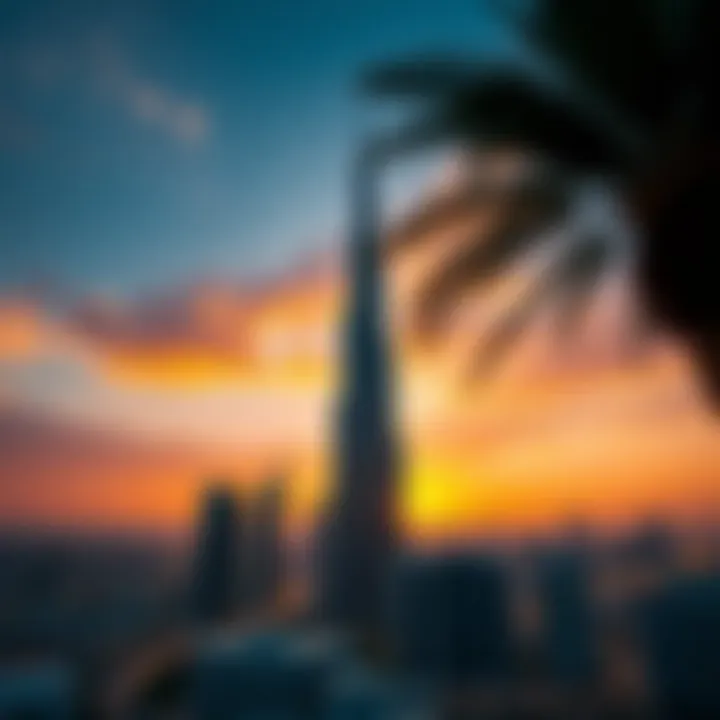
When we look at the current real estate climate in Dubai, the Burj Khalifa stands as more than just a towering structure; it acts as a beacon for market trends and insights. The height of the building symbolizes the ambition and vision of Dubai, projecting an image of prosperity and growth. This section examines recent market analysis, historical shifts, and predictions for the future.
Current Market Analysis
As of 2023, the real estate market in Dubai is alive and buzzing. With the economy recovering post-pandemic, property prices in prime areas like Dubai Marina and Palm Jumeirah have shown signs of stabilization and even growth—residential sales increased by nearly 25% in the first quarter alone.
Investors are particularly attracted to properties near iconic landmarks, and the Burj Khalifa is no exception. High-end developments within the proximity command premiums due to their views, luxurious amenities, and ease of access to commercial hubs. The growing trend of international investors looking at Dubai as a safe haven amplifies this. A spotlight has been put on offering freehold property to foreign investors, encouraging a diverse range of demographics to set roots in this vibrant city.
Info Point: The Burj Khalifa area, known for its high-end residences, experiences annual rental yields of 5% to 8%, making it appealing for many investors.
Historical Trends and Future Predictions
Looking back, Dubai's real estate market has been on a rollercoaster. From the explosive growth preceding the global financial crisis to the cooling periods that followed, the market has undoubtedly evolved.
In 2010, years after the Burj Khalifa opened, developers began to return to the drawing board, focusing on sustainable and ecologically friendly designs, thereby shaping a new architectural narrative. This has led to more deliberate developments with cultural aspects interwoven into economy-driven projects.
Future predictions suggest that Dubai’s property market will see continued growth, driven by a blend of tourism recovery, the upcoming Expo 2025, and the government's push towards enhancing livability. It's conceivable that prices will climb further, with factors such as rent controls and increased regulatory frameworks coming into play.
Property Listings and Comparisons
In the shadow of the Burj Khalifa lies an array of properties catering to various markets. This aspect is significant for investors and potential homebuyers looking to make an informed decision.
Luxury Properties Overview
Luxury properties in the vicinity of the Burj Khalifa are plentiful and come with price tags that gauge the worthiness of the view. Towers such as The Address Residence offers opulent living, complete with five-star amenities, from infinity pools to exclusive lounges. Furthermore, the prime location translates to competitive appreciation over time.
Residents can expect to pay upwards of AED 2,500 per square foot, depending largely on the view and convenience offered by the development.
Affordable Housing Options
Amidst the lavish surroundings, there is also a growing focus on affordable housing options that attract a wider range of occupants. Developments such as Downtown Views offer modern yet budget-friendly alternatives without compromising on quality. These units may start around AED 1,000 per square foot, making them accessible to young professionals and families.
Comparative analysis is essential when seeking investment avenues in this area. Investors may want to weigh the potential returns of luxury units against the steady demand for affordable housing that caters to a broader audience.
For more background information, visit Wikipedia or check economic forecasts at Britannica.
Overview of Burj Khalifa
The Burj Khalifa stands as a testament to modern engineering and architectural prowess. It isn't just a skyscraper; it's a symbol of ambition, innovation, and the capability of human ingenuity. This building reshaped the skyline of Dubai and redefined what it means to reach for the stars, quite literally. Understanding the Burj Khalifa goes beyond its measurement in meters; it's about recognizing the cultural narrative embedded within its structure and the economic implications it brings to the region.
Historical Context and Construction
The concept of the Burj Khalifa was born in a time of rapid economic growth in Dubai, driven by its burgeoning reputation as a global business hub. Construction commenced in 2004, and it was officially inaugurated in 2010. The process was anything but straightforward—challenges emerged frequently, and the project was a race against time. Many local and international companies collaborated in its construction, showcasing a blend of talents and cultures, reflecting Dubai's diversity. The Burj Khalifa was initially called 'Burj Dubai' until it was renamed in honor of the President of the United Arab Emirates, Sheikh Khalifa bin Zayed Al Nahyan, in recognition of his support.
Architectural Design
The architectural design of Burj Khalifa is nothing short of revolutionary. Skidmore, Owings & Merrill, a Chicago-based firm, conceptualized the tower, drawing inspiration from traditional Islamic architecture and regional desert flora. The design employs a triple-lobed footprint, reminiscent of the Hymenocallis flower, which allows for wind resistance. It's not merely about aesthetics; the structure's intricate design serves functional purposes: it minimizes wind loading, a significant concern for a building of such height. The building stretches 828 meters into the sky, symbolizing Dubai's ambition and determination to be recognized on the world stage. The towering balconies and stunning observation decks invite visitors to marvel at the city below, while the shimmering glass façade reflects the powerful Arabian sun.
Engineering Challenges
Constructing the tallest building in the world came with a slew of engineering challenges that would test the limits of what was previously thought possible. The first major hurdle was the extreme height itself. To ensure stability, engineers designed a massive reinforced concrete core to support the weight, which in taller buildings tends to create issues due to sway and structural fatigue.
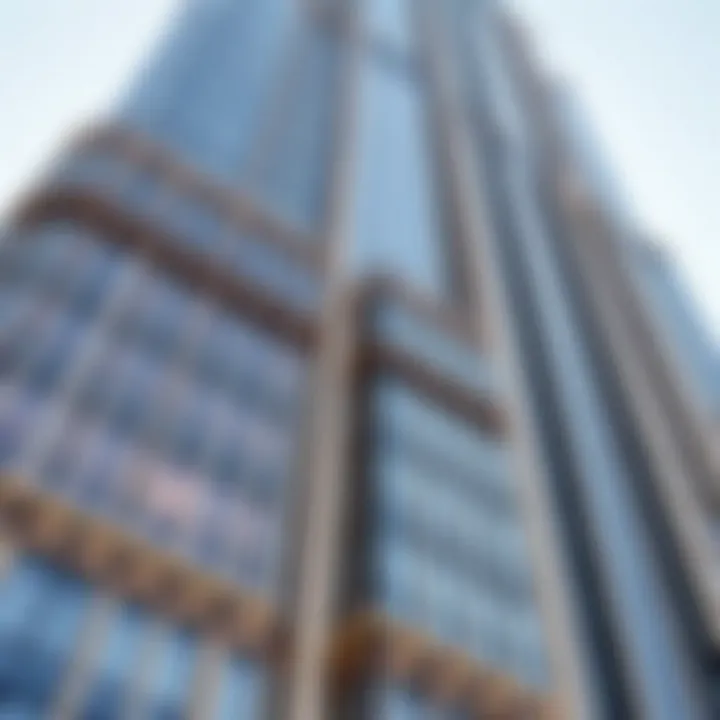
Furthermore, the site was located on unstable soil, requiring a specialized foundation technique known as a rafts foundation, comprising 192 concrete piles embedded deep into the ground. This was but one of the many feats achieved by a team of engineers and experts who tackled fierce temperatures and logistical nightmares that came with moving materials to such heights. The project demanded a high degree of coordination and innovation, making the Burj Khalifa not only a building but a mold for future architectural endeavors.
"The Burj Khalifa is more than a building; it’s a landmark that encapsulates the spirit of a city that dares to dream bigger."
In summation, the overview of the Burj Khalifa encompasses its historical framework, architectural ingenuity, and the engineering prowess required to realize it. Each aspect works in concert to forge a structure that stands apart from others, not only as a marvel in its own right but as a key player in shaping Dubai's economic landscape. For investors, architects, and visionaries alike, the Burj Khalifa offers a blueprint of possibilities in construction and design.
Cultural Significance
The cultural significance of the Burj Khalifa goes far beyond its towering height. It embodies the spirit of Dubai, a city that has transformed itself from a humble fishing village into a global hub of commerce and tourism. The Burj Khalifa is not merely a marvel of engineering; it acts as a symbol of ambition, resilience, and a brighter future. This remarkable skyscraper serves as a showcase of the UAE's commitment to innovation and luxury, making it a key cultural monument within the Middle East and beyond.
Icon of Modern Dubai
To many, the Burj Khalifa represents the ambitious leap of Dubai into modernity. Standing at an astonishing height of 828 meters, it becomes the backdrop for the city’s skyline, drawing millions of visitors each year. The design reflects a blend of Islamic architecture with contemporary elements, serving as a bridge between the rich cultural past and the dynamic present.
When one thinks of Dubai, the image of Burj Khalifa immediately springs to mind. It’s as if this skyscraper has taken on a life of its own, capturing the essence of what the Emirate strives to represent. It acts as a beacon for tourists and a source of local pride. The building is also a testament to Dubai’s capacity for growth, standing tall against the backdrop of a rapidly changing landscape.
"Dubai is more than a city; it’s a manifestation of dreams and aspirations, best illustrated by the Burj Khalifa."
Burj Khalifa in Popular Culture
The influence of the Burj Khalifa extends into the realm of popular culture, where it features prominently in films, television shows, and literature. It has become a must-visit destination for globetrotters and pop culture enthusiasts alike. Movies such as Mission: Impossible – Ghost Protocol showcased the building, making it a character in its own right. This has not only bolstered its image as an architectural icon but also cemented its status as a global cultural landmark.
The Burj Khalifa has also infiltrated social media as influencers and travelers share their breathtaking photos against the tower’s backdrop. Its striking silhouette and spectacular nighttime lighting have inspired countless art pieces and installations, driving home the point that the structure is as much a part of Dubai’s identity as the desert itself.
In today’s interconnected world, Burj Khalifa has transcended its physical boundaries to become a representation of modern achievement, embodying the aspirations of people and places around the globe. Its presence in popular culture reminds us that this architectural wonder is more than just concrete and steel; it resonates with the hopes of those who look up to it.
Tourism and Visitor Experience
The Burj Khalifa, not merely a tall building, stands as a beacon drawing millions of visitors each year, promising more than just a picturesque view from its heights. This section shines a light on the vital importance of tourism and the overall visitor experience at this architectural gem. The experience here provides a blend of excitement and awe that brings together people from various walks of life—families, couples, tourists, and even entrepreneurs looking for investor opportunities.
At the Top Experience
Elevators whisk visitors up to the 124th and 148th floors in a matter of seconds, leaving the sensation of weightlessness momentarily. These lifts, among the fastest in the world, convey an experience reminiscent of a thrilling ascent, creating an immediate sense of wonder. Visitors step out into the viewing areas, where a 360-degree panoramic view of Dubai unfolds before them. The experience at "At the Top"—as the observation decks are called—offers an unparalleled perspective of the city’s sprawling metropolis and vast Arabian Desert.
- Unmatched Views: Expect a visual feast that includes iconic sites like the Dubai Fountain, Palm Jumeirah, and the vast Persian Gulf, stretching beyond the horizon.
- Interactive Displays: The observation decks feature touch screens that provide information about landmarks visible from the height, enhancing the overall educational aspect of the visit.
- Photo Opportunities: Be prepared to capture unforgettable moments. The vantage point is ideal for photos against a stunning backdrop—after all, Instagram is far from duff here!
The experience isn’t just about being at a high elevation; it’s about immersing oneself in the history and ambition that birthed such a marvel, further enriched by the stories shared by the attentive staff, who add a personal touch to the visitor experience.
Annual Events and Celebrations
The Burj Khalifa is more than just a skyscraper; it hosts various events throughout the year that amplify its cultural significance. Each celebration draws thousands, creating an electric atmosphere in Downtown Dubai.
- New Year's Eve Fireworks: This legendary event draws crowds of revelers from around the world. Fireworks synchronized with music explode into vibrant colors, with each year bringing something unique to the spectacle. For many, it’s a bucket-list experience.
- Eid Al Fitr and Eid Al Adha: During these significant Islamic holidays, the Burj Khalifa often lights up with vibrant designs and messages celebrating the heritage of the region, allowing visitors to dive into the local culture.
- Light and Sound Shows: Regularly scheduled shows feature dazzling light displays, often timed with popular musical hits or cultural performances. Visitors often find themselves captivated by the way the building transforms into a living canvas.
These events illustrate that the Burj Khalifa is not just a mere tourist site; it is woven into the cultural fabric of Dubai.
The Burj Khalifa stands at a height that reflects the heart and ambition of a country, serving as a backdrop for not just a skyline, but for cherished memories and shared experiences.
Real Estate Impact
The Burj Khalifa stands as more than just a record-breaking skyscraper; its influence extends into the real estate domain, reshaping perceptions and valuations in Dubai's property market. Investors and analysts keenly observe how this towering silhouette does not merely mark the skyline but also symbolizes the potential and promise of a burgeoning real estate environment.
Influence on Property Values
When one thinks of the impact of an architectural marvel like the Burj Khalifa, the immediate consideration is its effect on nearby property values. Properties within a favorable radius of this iconic structure tend to see a significant uptick in their market worth. This phenomenon arises from a combination of factors, including but not limited to exclusivity, prestige, and enhanced desirability.
- Prestigious Address: Owning a property near or with a view of Burj Khalifa is not just an investment; it's a status symbol. High-net-worth individuals often seek residences in proximity to this landmark as it provides a sense of belonging in an elite circle.
- Increased Demand: With tourists thronging the area, the demand for high-end apartments becomes lucrative for investors. A well-placed unit can command premium rental rates, directly influencing the overall value of the property.
- Urban Development: The Burj Khalifa has spurred improvements in the surrounding infrastructural landscape, enhancing accessibility and amenities. This makes the area more appealing, thereby elevating property values further.
In summary, the sway the Burj Khalifa holds over property values cannot be overstated. Whether it's through prestige or demand, the building has fortified its role as a driving force in Dubai's real estate landscape.
Developments in Surrounding Areas
The establishment of Burj Khalifa ignited a cascade of developments across the surrounding areas. What once might have been simple plots of land are now canvases for luxurious residences, commercial entities, and recreational spaces. The change is not merely visual; it serves as a catalyst for economic growth and urban transformation. Here are key developments that have sprouted in this vibrant vicinity:
- Luxury Hotels and Residences: Names like Armani Hotel Dubai and the luxurious apartments at The Address Residences stand testament to the premium developments that have emerged following the Burj Khalifa's inauguration.
- Commercial Investments: Offices and shopping spaces have proliferated, marking the region as a bustling economic hub. This not only attracts businesses but also promising startups looking for a prestigious base.
- Cultural Spaces and Parks: The area is also home to art galleries, cultural centers, and parks, creating a holistic environment that balances residential needs with leisure and community engagement.
"Burj Khalifa isn't just a monument; it’s a beacon for growth that invites a wave of development around it."
In essence, the developments around Burj Khalifa reinforce its standing in real estate. The vision for a 21st-century urban center is alive and thriving, promising not only lucrative opportunities for investors but also enriching the lives of residents.
Sustainable Design Elements
Sustainable design is no longer a luxury but a necessity in today's architectural landscape. Burj Khalifa stands as a beacon of this ethos, showcasing how modern skyscrapers can harmonize with ecological principles. The building’s design incorporates a multitude of sustainable elements that not only cut down on environmental impact but also create a more pleasing experience for its occupants and visitors alike.
Energy Efficiency Strategies
In the realm of energy efficiency, Burj Khalifa pulls out all the stops. One of the most striking strategies employed is its facade, which features more than 103,000 square meters of reflective glazing. This design minimizes the need for air conditioning because it reflects heat away from the building while allowing ample natural light to flood the interiors. Not just a pretty face, these energy-efficient measures contribute significantly to lowering operational costs.
Moreover, integrated solar panels complement the overall energy management system. They are strategically placed to generate electricity without compromising the aesthetics or functionality of the building. In a region where sunshine is abundant, harnessing this resource makes perfect sense.
To corroborate its energy efficiency, Burj Khalifa has also earned the LEED (Leadership in Energy and Environmental Design) certification, marking its commitment to sustainable practices. Integrating such measures helps in setting a standard for future developments in the region and beyond.
Water Conservation Techniques
Water conservation is another cornerstone of Burj Khalifa's sustainable design. The building employs specialized systems designed to reduce water usage significantly. For instance, a sophisticated greywater recycling system collects water from sinks and showers, treating it for reuse in irrigation and other non-potable applications. This not only conserves precious water resources but also wisely reflects the arid climate of Dubai.
Additionally, the landscaping around Burj Khalifa uses drought-resistant native plants, minimizing the need for extensive irrigation. This approach not only beautifies the surroundings but also ensures that the ecosystem is respected and preserved.
"The Burj Khalifa proves that sustainability can blend seamlessly with luxury and innovation. It's not just about reaching new heights, but about how we get there."
In summary, the sustainable design elements in Burj Khalifa serve multiple purposes. They pave the way for a more responsible approach to architecture while ensuring the efficiency and comfort of its users. The commitment to sustainable practices helps Burj Khalifa not only to shine as a modern marvel but also as a responsible global citizen.
Burj Khalifa in the Global Context
The Burj Khalifa stands not merely as the tallest structure in the world, but as a significant marker within the global architectural landscape. It influences perspectives on what is achievable in design and engineering, pushing the boundaries of modern construction. The building's prominence varies from merely a statement of height to a testament of ambition and innovation, shaping how cities around the world conceive their architecture.
Comparison with Other Skyscrapers
When we line up the Burj Khalifa against other skyscrapers globally, it’s hard not to recognize its unique stature. Many tall buildings boast impressive heights, yet few can compare to its sheer height and iconic status.
- Taipei 101: Standing at 1,671 feet, it was once the tallest building until Burj Khalifa claimed that title. While Taipei 101 is remarkable for its design resembling bamboo, it doesn’t quite match the Khalifa in height. It’s a symbol of Taiwan’s economic power, yet its influence doesn't stretch as far as that of Burj Khalifa.
- Shanghai Tower: Touted for its environmentally friendly features, Shanghai Tower comes in at 2,073 feet. Though it’s taller than Burj Khalifa, it lacks the global recognition and cultural significance that Khalifa embodies.
- One World Trade Center: In New York, this structure stands high, with a height of 1,776 feet. It carries profound historical significance for the United States, representing resilience. However, its impact on global urban architecture is less than that of the Burj Khalifa.
In short, while there are taller structures, Burj Khalifa continues to resonate more profoundly in architectural discourse and cultural significance.
Global Architectural Trends
The Burj Khalifa also plays a role in the broader trends influencing architectural practices across the world today. Its design reflects a shift toward skyscrapers that not only push the limits in terms of height but also integrate sustainability and technological advancements. Here are some pertinent trends:
- Sustainability in Skyscraper Design: As urban centers grapple with climate change and resource scarcity, the Burj Khalifa's energy-efficient systems, like its condensation collection for gardens, serve as a model for future skyscrapers aiming for environmental responsibility.
- Mixed-Use Developments: The trend of incorporating residential, commercial, and recreational spaces into a single structure finds a gauge in Burj Khalifa. The facilities within the building present opportunities for mixed-use design as a blueprint for future tall buildings. This trend is poised to continue as cities seek efficient ways to manage limited space.
- Smart Buildings: With advances in internet connectivity and digital technologies, smart buildings are becoming the norm. Burj Khalifa adapts some of these technologies to create more intuitive environments for its occupants and visitors, potentially influencing how architects design the buildings of tomorrow.

Future Prospects
As we gaze up at the towering heights of Burj Khalifa, it's crucial to reflect on what lies ahead for this magnificent structure. The future prospects of the Burj Khalifa are not just about maintaining its stature as the tallest building in the world, but also about enhancing its role within the urban fabric of Dubai and further enriching the visitor experience. Development plans and innovations can significantly affect its symbolism, functioning, and value in both local and global contexts.
Potential Expansions
Exploration of potential expansions surrounding the Burj Khalifa uncovers a vision that extends beyond mere height. The building is a focal point for numerous future projects that aim to elevate Dubai into a premier global destination. Some notable opportunities for expansion include:
- Vertical Space Utilization: Real estate developers could consider innovative designs that complement the Burj Khalifa's silhouette, perhaps even adding new segments or platforms that enhance the visitor experience or provide additional amenities.
- Integrated Transport Links: Improvements in connectivity, such as advanced metro systems or tram routes, will facilitate easier access for tourists and locals alike, making a visit to the Burj Khalifa even more appealing.
- Eco-Friendly Projects: With sustainability being a global trend, there could be green spaces or parks around Burj Khalifa, creating a harmonious balance between nature and urbanization.
In the end, the future expansions around the Burj Khalifa not only lean on architectural ingenuity but also address the needs of a growing population and the demands of global tourism.
Investors keen on Dubai's real estate market should keep a keen eye on these developments. They could present significant opportunities for those looking to align themselves with the future of urban architecture and sustainability.
Legacy of Burj Khalifa
The legacy of the Burj Khalifa transcends its impressive height and architectural brilliance. It stands as a testament to human innovation, symbolizing what can be achieved with ambition and vision. Its potential legacy could materialize in various forms:
- Architectural Influence: Buildings designed in the future may draw inspiration from its aesthetics and engineering prowess, shaping the skyline of cities across the globe.
- Cultural Heritage: In years to come, Burj Khalifa might be celebrated not only as a skyscraper but also as a beacon of Emirati culture, promoting tourism and international interest in Dubai's rich heritage.
- Economic Catalyst: The Burj Khalifa helps boost the economy by attracting millions of tourists annually. The potential for continued investments in the surrounding areas could ensure its status as a cornerstone of Dubai’s economy.
As the world evolves, so too does the Burj Khalifa's role within it. Its legacy will surely echo through time, inspiring future generations of architects, urban planners, and investors to think big and act sustainably.
Visiting Burj Khalifa
Visiting the Burj Khalifa is not just an outing; it’s an experience that encapsulates the essence of Dubai. More than merely a towering structure, the Burj Khalifa serves as a testament to modern engineering and design, making it a must-see for tourists and investors alike. The building has become synonymous with the city's skyline and represents the ambition and innovation that Dubai is famous for. This section aims to guide readers through what visiting this architectural marvel entails, focusing on practicalities for visitors and tips on the best times to marvel at its magnificence.
Practical Information for Visitors
If you’re planning a trip to the Burj Khalifa, there are several essential factors to consider to make your visit as seamless as possible.
- Tickets: Booking tickets in advance is highly recommended. This not only helps skip long lines but may also snag you better prices. Online platforms such as At the Top, the official site for Burj Khalifa’s observation decks, allow pre-booking at various time slots throughout the day.
- Access: The main entrance to the Burj Khalifa is situated within the Dubai Mall, making it convenient to combine shopping or dining with your visit. After entering the mall, signage will guide you to the elevators, which are among the fastest in the world, whisking you to the 124th and 148th floors in mere seconds.
- Security Checks: Be prepared for security checks. Similar to going through an airport, visitors will need to pass through metal detectors and have their bags scanned before entering the elevators. It’s advisable to carry only essentials to speed up the process and avoid any unnecessary delays.
- Amenities: Once you’re inside, enjoy amenities such as cafes and gift shops on the observation decks. The views from these heights offer stunning snapshots, so consider bringing a camera or ensuring your phone is charged.
- Language: For non-native English speakers, informational displays are available in multiple languages, making the entire experience more accessible.
Best Times to Visit
Choosing the ideal time to visit the Burj Khalifa can significantly enhance your experience. Here are some pointers to bear in mind:
- Time of Day: Early morning or late afternoon are prime times to visit. These windows typically offer clearer skies and allow you to witness stunning sunrises and sunsets from incredible heights. The bustling activity on the ground below is also more manageable as visitor traffic tends to be lower.
- Weekdays vs. Weekends: If your schedule allows, aim to visit during weekdays. Fridays and Saturdays can see heavier foot traffic, as local residents come to enjoy the iconic site. Checking the Ramadan calendar can also influence your visit; during this season, hours may vary.
- Special Occasions: If you want to see the Burj Khalifa in all its lit-up glory, timing your visit with special events or holidays can be worthwhile. The building often features spectacular light displays, and certain events like the New Year's Eve fireworks make for a once-in-a-lifetime viewing.
Choosing the right time to visit is key to making the most of your trip. As the saying goes, timing is everything, especially when it comes to visiting the tallest building in the world.
"The Burj Khalifa is not just a building; it's a global icon, a source of pride for Dubai and a marvel that leaves a lasting impression on all its visitors."
The End
Burj Khalifa stands as a testament to human ingenuity and ambition, encapsulating the spirit of Dubai's remarkable growth in just a few decades. This towering structure isn't merely a building; it embodies the aspirations of a nation striving to carve its identity in a global landscape. Understanding the significance of Burj Khalifa within this article is crucial for those looking to navigate the complex interplay of architecture, culture, and real estate.
Summary of Key Points
To recap the main insights:
- Architectural Wonder: Burj Khalifa combines traditional Islamic design with cutting-edge technology, demonstrating a perfect blend of aesthetics and functionality.
- Engineering Feats: Overcoming significant engineering challenges, including wind forces and soil conditions, was no small feat, showcasing human resolve and skill.
- Cultural Impact: Symbolizing modernity, the building represents Dubai's identity on the world stage, influencing tourism and shaping cultural narratives.
- Real Estate Influence: Its presence has impacted property values significantly in the vicinity, transforming the economic landscape of Dubai.
- Sustainable Practices: Incorporating innovative energy and water conservation methods positions it as a model for future developments.
Pearl of Dubai's Skyline
Often referred to as the "pearl of Dubai's skyline," Burj Khalifa is not just the tallest building in the world; it also serves as a focal point for the city's architectural narrative. Its shimmering façade reflects the sun, creating a dynamic interplay of light and shadow throughout the day. Perspectives of Burj Khalifa are visually serendipitous, whether seen from the ground or from high above, revealing different facets of its grandeur.
The building's integration into the urban fabric enhances Dubai’s reputation as an architectural powerhouse. It inspires countless developments throughout the region, pushing the boundaries of what is possible in urban design. For investors, homebuyers, and analysts, recognizing how Burj Khalifa shapes the surrounding area is vital; property adjacent to it commands a premium and garners attention from both local and international clients. By studying this monumental structure, one can garner a better understanding of the broader trends that define the world of real estate and urban development today. Here, one can find a snapshot of economic drive and creative thought converging at one point in space and time.
"The Burj Khalifa isn't just a building, it's a narrative of aspiration, innovation, and a city's relentless pursuit of greatness."
In summary, as we turn our gaze to the future, understanding the complexities and significance of the Burj Khalifa remains essential for those looking to make informed decisions in the ever-evolving urban landscape of Dubai.